After working with fabrics, garments, and production units for many years, I can confidently say one thing: most people don’t wear bad clothes because they want to—they wear them because they don’t know how to judge quality.
In today’s market, where fast fashion dominates and online shopping removes the ability to touch fabric, understanding how to determine good quality clothes has become essential. This is especially true when looking for the best quality clothes for men, where comfort, durability, and long-term value matter more than trends.
This guide is not theoretical. It’s based on real textile knowledge, fabric testing methods, and garment evaluation techniques used inside the apparel industry.
Why Clothing Quality Matters More Than Brand or Price
From a textile manufacturing perspective, brand name has little to do with actual fabric quality. I’ve seen unbranded garments outperform premium labels simply because the right fabric and construction methods were used.
Good quality clothes offer:
- Better comfort throughout the day
- Longer garment life (2–5× longer)
- Better color retention
- Consistent fit over time
- Lower cost per wear
For men, especially, clothes are worn for long hours—office, travel, outdoor use—so fabric performance matters far more than logos.
Common Mistakes Men Make While Buying Clothes
Based on years of fabric inspection and garment testing, here are the most common errors:
- Judging clothes only by appearance
- Ignoring fabric composition
- Choosing thin fabric to save money
- Not checking stitching density
- Confusing softness with durability
- Buying online without understanding fabric details
These mistakes usually result in clothes that fade, shrink, pill, or lose shape quickly.
What Really Defines Good Quality Clothes? (Textile Perspective)
In textile evaluation, quality is judged on four core pillars.
1. Fabric Quality (Most Important)
Fabric contributes 60–70% of a garment’s quality. Even perfect stitching cannot fix poor fabric.
A good-quality fabric should:
- Have consistent yarn thickness
- Feel balanced (not overly stiff or flimsy)
- Maintain structure after stretching
- Handle washing without distortion
2. Breathability and Comfort
From a textile engineer’s view, air permeability determines comfort.
Breathable fabric clothes:
- Allow moisture to escape
- Prevent heat buildup
- Reduce skin irritation
- Improve daily wear comfort
This is critical when selecting the best quality clothes for men, especially in warm or humid climates.
3. Stitching and Construction
Inside garment factories, stitching is evaluated by:
- Stitch per inch (SPI)
- Seam strength
- Thread quality
- Reinforcement at stress points
Loose stitches or uneven seams are immediate red flags.
4. Color and Shape Retention
High-quality fabric uses:
- Better dye penetration
- Proper heat setting
- Pre-shrinking processes
This prevents fading, bleeding, and size distortion.
How to Check Fabric Quality in Clothes (Expert Methods)
Feel and Hand-Feel Test
When I evaluate fabric, the first thing I do is touch it.
Fabric Weight and Density
A common misconception is “lighter means better.” That’s false.
Instead, check:
- Fabric density (tight weave/knit)
- Balance between weight and breathability
Thin but dense fabric can outperform thick, loosely woven fabric.
Stretch and Recovery Test
Gently stretch the fabric and release it.
Good fabric:
- Returns to original shape immediately
- Shows no rippling or distortion
Poor fabric:
- Stays stretched
- Develops wrinkles or waves
Transparency Check
Hold the fabric against light.
- Excess transparency = weak yarns
- Controlled opacity = stronger construction
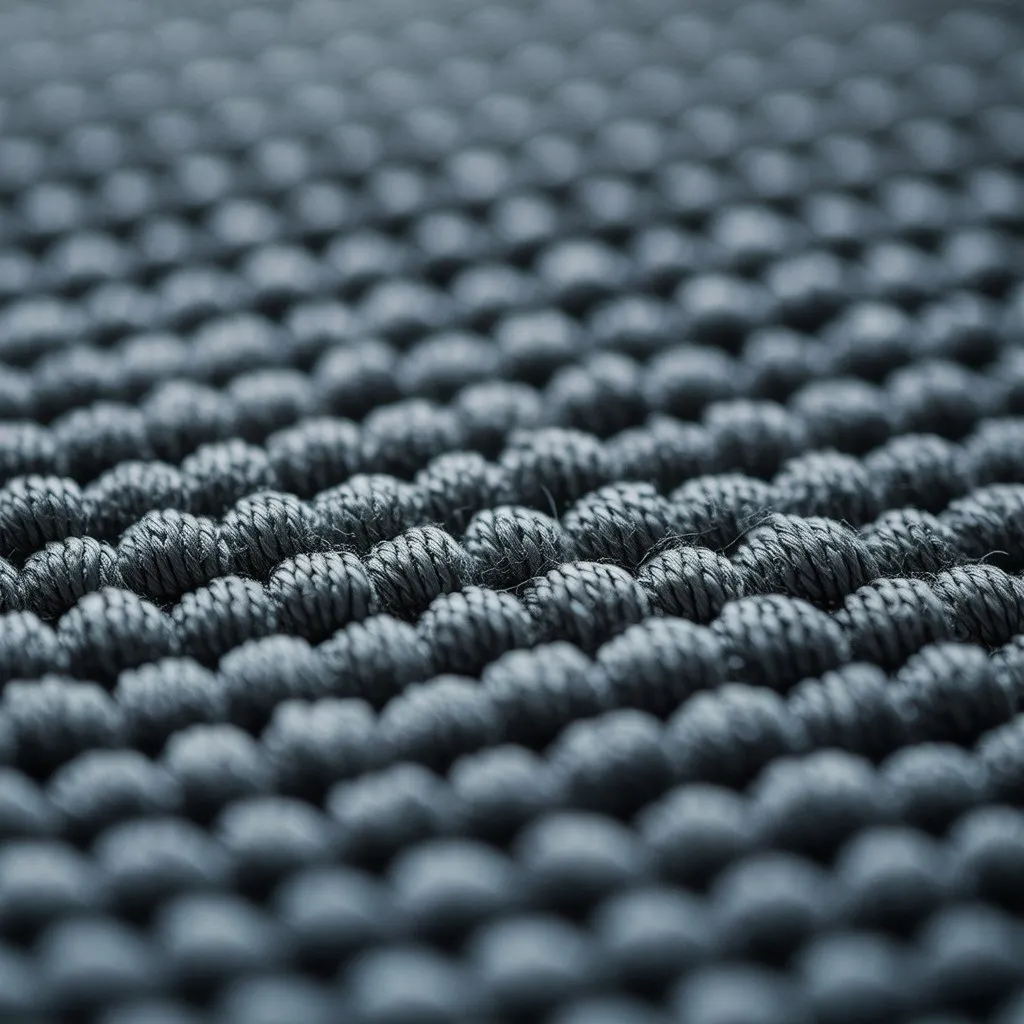
Breathable Fabric Clothes: Why Textile Experts Prioritize Them
Breathability is determined by:
- Fiber type
- Yarn structure
- Weave or knit pattern
Best Breathable Fabrics for Men
From experience, these perform best:
- Cotton (combed or ring-spun)
- Linen
- Bamboo fabric
- Lightweight wool (tropical wool)
Breathable fabric clothes are ideal for:
- Daily wear
- Office shirts
- Summer clothing
- Inner layers
Natural vs Synthetic Fabrics: An Honest Comparison
Natural Fabrics (Comfort-Oriented)
Examples:
- Cotton
- Linen
- Wool
- Silk
Advantages:
- Excellent breathability
- Skin-friendly
- Better moisture absorption
Limitations:
- Wrinkle easily
- May shrink if untreated
Synthetic Fabrics (Performance-Oriented)
Examples:
- Polyester
- Nylon
- Acrylic
Advantages:
- High durability
- Shape retention
- Wrinkle resistance
Limitations:
- Poor airflow
- Heat retention
- Odor buildup
Best Practice (Industry Standard)
Most premium garments use blended fabrics:
- Cotton + Polyester
- Wool + Nylon
This balances comfort and durability—ideal for the best quality clothes for men.
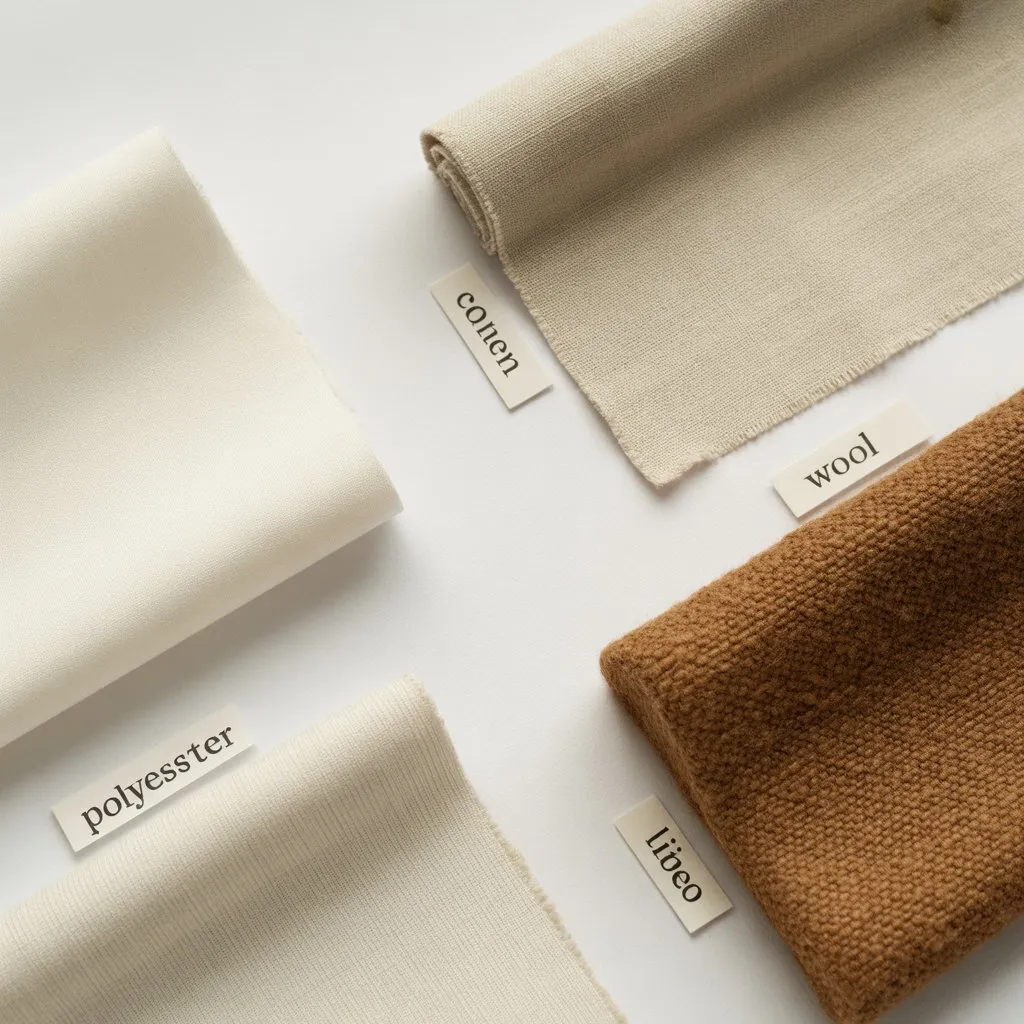
[Image: Comparison chart of natural vs synthetic fabrics]
Prompt: “Flat lay showing cotton, linen, polyester, and wool fabric samples with labels, clean studio lighting”
Stitching and Construction: What Professionals Look For
Check these areas carefully:
- Shoulder seams
- Armholes
- Collar joints
- Side seams
Signs of Good Stitching
- Even stitch length
- No skipped stitches
- Reinforced stress points
- Strong thread (not fuzzy)
Buttons should be cross-stitched or shank-style, and zippers should glide smoothly.
How to Buy Quality Clothes Online (Without Touching Fabric)
Online shopping removes tactile inspection, so rely on textile data + logic.
Read Fabric Composition Carefully
- Avoid vague terms like “premium fabric”
- Look for exact fiber percentages
Check GSM or Fabric Weight
- Shirts: 120–180 GSM
- T-shirts: 160–220 GSM
- Trousers: 220+ GSM
Higher GSM usually means better durability.
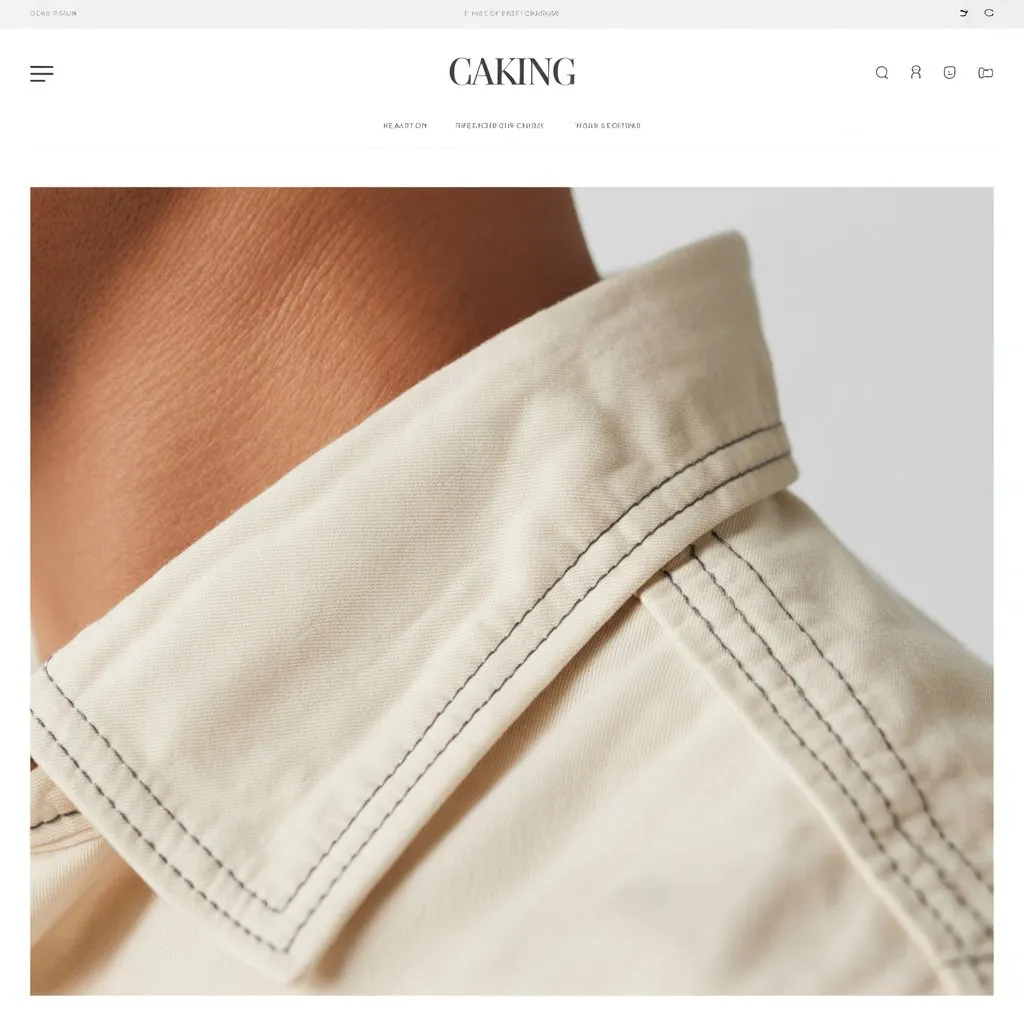
Study Product Images
Zoom in to inspect:
- Stitch density
- Fabric texture
- Seam finishing
Reviews Are Fabric Reports in Disguise
Look for mentions of:
- Shrinkage
- Fading
- Breathability
- Comfort after washing
Warning Signs of Poor-Quality Clothes
Avoid garments with:
- Extremely low pricing with no fabric details
- Very thin fabric for daily wear
- Loose threads and uneven seams
- No return policy
- No genuine customer reviews
Quick Textile Expert Checklist
Before buying, confirm:
- ✔ Fabric feels balanced and strong
- ✔ Breathable material
- ✔ Tight stitching
- ✔ Stable color
- ✔ Clear fabric description
- ✔ Verified reviews
Why Investing in the Best Quality Clothes for Men Pays Off
From long-term textile testing, quality garments:
- Last 3–5 years easily
- Require fewer replacements
- Save money over time
- Look better with age
Cheap clothes fail early—not because of use, but because of poor fabric engineering.
Conclusion
After years in textile sourcing, fabric testing, and garment evaluation, I can confidently say that quality is visible if you know where to look.
The best quality clothes for men are not defined by brand names or trends, but by:
- Fabric quality
- Breathability
- Construction
- Performance over time
Learn how to check fabric quality, understand natural vs synthetic fabrics, and apply smart strategies when buying online. When you invest in quality, your clothes work for you—not against you.
FAQs – Best Quality Clothes for Men
What fabric is best for high-quality men’s clothing?
Cotton, linen, wool, and high-quality blends offer the best balance of comfort and durability.
How can I check fabric quality without washing it?
Use touch, stretch, transparency, and density checks before purchase.
Are expensive clothes always better quality?
No. Price reflects branding more than fabric. Construction and material matter more.
What GSM is good for men’s clothing?
Shirts: 120–180 GSM
T-shirts: 160–220 GSM
Trousers: 220+ GSM
Are breathable fabric clothes better for daily wear?
Yes. They improve comfort, reduce sweating, and enhance long-term wearability.
How to determine the quality of clothes?
Fabric composition – check the label of the cloth and check natural fibers (cotton, wool, silk, linen) or high-quality blends generally perform better.
Fabric feel & weight – Good-quality fabric feels smooth, consistent, and appropriate in weight.
Weave or knit density –Hold the fabric, check looping yarns.The looping indicates the quality of fabric clothes.
Tight weave or dense knit = better strength and longer life
Stitching quality – Look for straight, even stitches with no loose threads; higher stitch count means stronger seams.
Seam construction – Finished or reinforced seams last longer than raw or poorly overlocked seams.
Colour & print quality – Colours should be even, rich, and not bleed when lightly rubbed.
Fit and shape retention – Well-made garments hold their shape and drape cleanly on the body.
Details & trims – Buttons, zippers, and labels should be securely attached and functional.
Care instructions – Clear, practical care labels usually indicate responsible manufacturing.
Which fabric is best for clothes?
Which fabric is best for clothes?
Fabric quality is dependent on GSM (Gram per meter).
For summer season GSM value should between 100 – 160.
Cotton / Linen shirts: 100–140 GSM
T-shirts (cotton/jersey): 140–160 GSM
Dresses / kurtis: 120–150 GSM
For winter season – GSM value in between 280 – 400 (warmth or insulation)
Best Fabrics for Winter:
Wool: 280–400 GSM
(more warm, natural insulation)
Fleece: 250–350 GSM
(lightweight but very warm)
Terry / Sweatshirt Fabric: 280–340 GSM
(casual winter wear)
Flannel (Cotton/Wool blend): 220–280 GSM
(soft aur comfortable)
Knitted Fabrics: 240–320 GSM
(stretchy aur heat-retaining)
nice blog
Good experience about clothes
thanks